Alpaca
An Andean-origin fiber for exploring warmth, softness, and volume.

Materials & technique
Choosing the fiber, preparing the thread, and finding the tension of the weave. Every decision changes how a garment feels.
Peruvian material
Composition is defined for each commission. These materials are part of our exploration.
An Andean-origin fiber for exploring warmth, softness, and volume.
An exceptional choice, subject to availability and documentation of its provenance.
Pima and Tangüis in the search for lighter garments for different climates and movement.
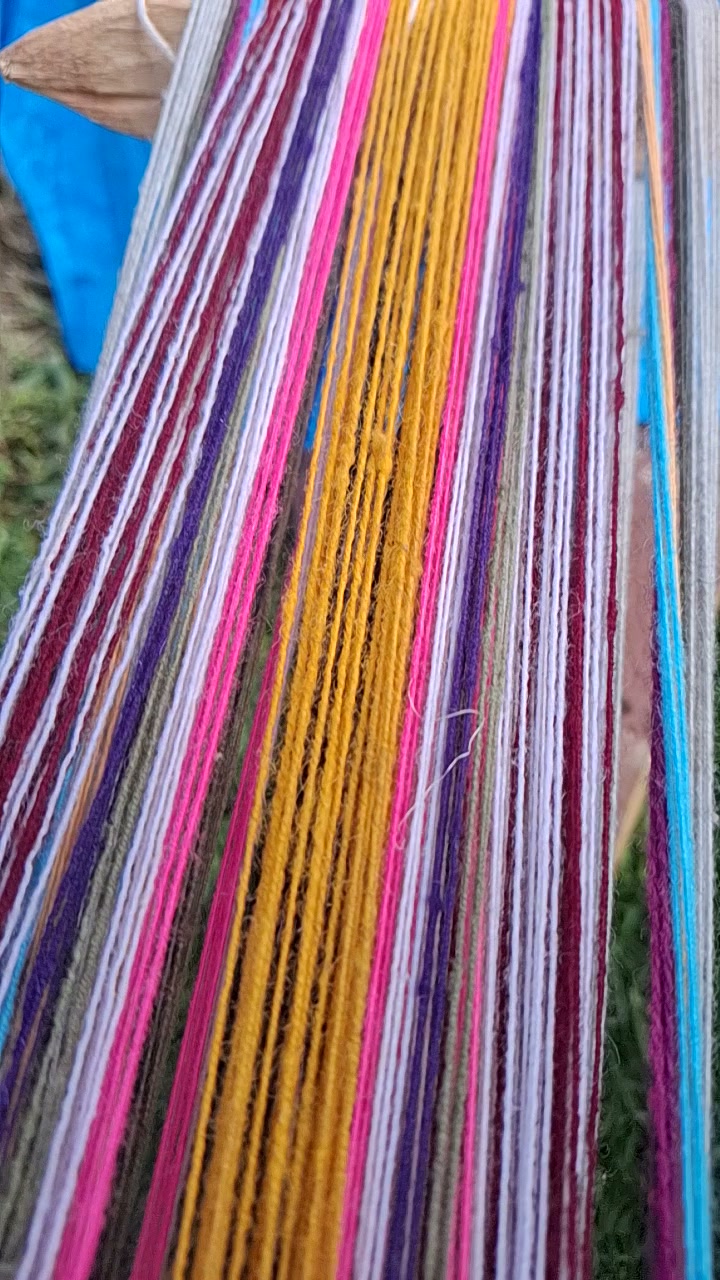
Weave
The backstrap loom demands attention to every crossing. We want to bring that precision to a contemporary piece while preserving recognition of the knowledge that makes it possible.
Follow the origin of the weave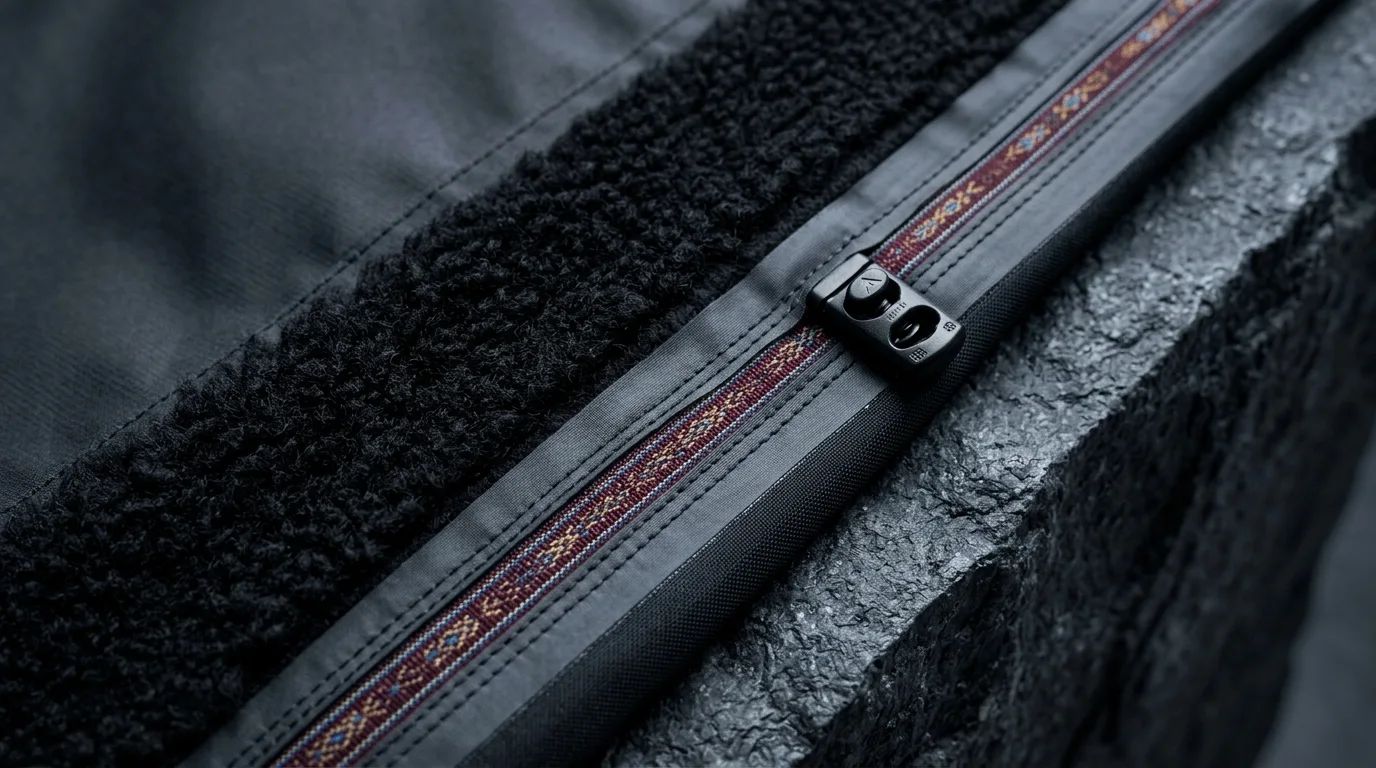
Construction
The texture, the opening of a fastening, the fall of a sleeve. Construction is better understood up close.
Composition, layers, finishes, and care are agreed in each piece's record. Technical specifications are confirmed before reserving.
View the Ukuku proposal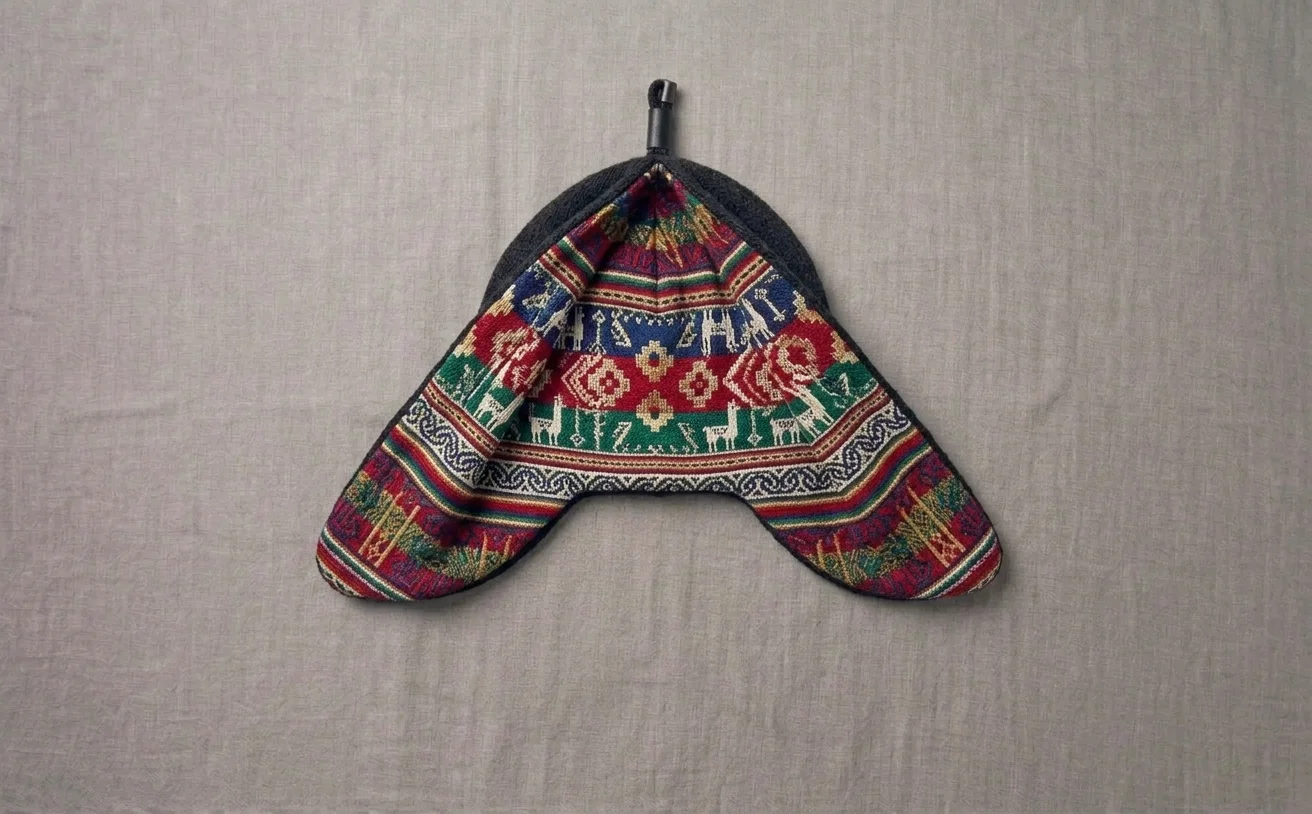
The interior
The label, identification, and personal detail belong inside. Embroidery is decided in conversation: it may be abstract, discreet, or tone-on-tone.
Talk about your pieceCare
Follow the label instructions and keep the piece clean, dry, and with its layers uncompressed.
Treatment depends on composition and finishes. Check your garment record before washing it or taking it to a specialist cleaner.
Write to us with photographs of the detail. We will review the options with you based on the material and construction.